If you find yourself sweating the small stuff, align yourself with what's most important to you in life
If you constantly find yourself sweating the small stuff, it may be a sign that you’ve lost sight of what truly matters to you. In this article, we go over one simple way to ensure you stay aligned with what matters the most to you in life.
MINDSET
1/25/20265 min read
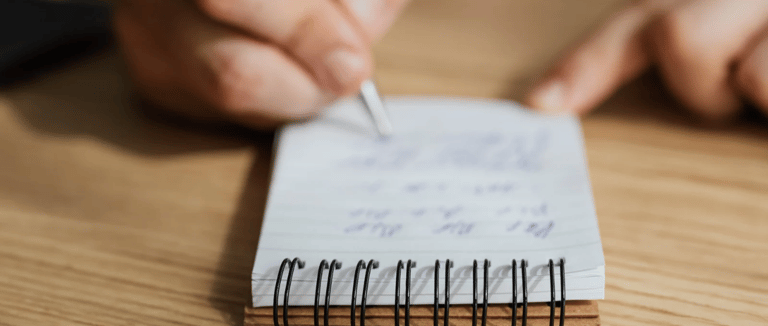

“The world will ask who you are, and if you do not know, the world will tell you.” - Carl Jung
As humans, we naturally need something to worry about as it gives us a sense of importance. When we have nothing of significance to worry about, we tend to resort to worrying about small, mundane things that happen in our day-to-day lives that have little to no importance in the grand scheme of things: gossip, train delays, terrible weather, what other people think of us, etc.
In other words, we end up letting the world decide what we should worry about. This causes unnecessary stress over things that aren’t even serving us (and never will).
As mentioned above, humans always need something to worry about. And so, aligning ourselves with what’s most important to us in life (aka choosing what to worry about), counteracts this in a healthy way. This is because while you’ll still technically be worrying about something, you would have shifted your attention to things that are in-line with the life you want and therefore, worth worrying about.
Essentially, we want to get in touch with worries that will actually benefit us by overcoming them.
Think of it like reordering your priorities. Imagine you’re in a crowd and have a public speaking fear. All of a sudden, you see a man pull out a gun. Suddenly, alerting the crowd of the emerging gunman goes to the top of your priorities and therefore, above your fear of public speaking to the point where you no longer have a problem speaking up in that moment. Hence the power of reordering your priorities/worries.
Likewise, when we are aligned with goals bigger than ourselves, we can be free from spending any more time and energy on anything below it. For example, people’s opinions of you won’t come into play if what’s most important to you is your child’s happiness and wellbeing. This is exactly why you might observe that some parents wouldn’t think twice about making themselves look silly in public as long as it makes their child giggle with joy that no amount of money in the world can buy.
Now, whilst the gunman example was a very extreme one, I’m willing to bet we can all think of a moment in the past week—maybe even today—where we found ourselves fretting about a situation for which we probably would have been better off spending our time and energy on something better.
This brings me onto one of, if not the most, pivotal questions I’ve answered during my time of self reflection of ‘What is most important to you in life?’ Once I answered this, everything that wasn’t on that list just seemed to suddenly get so small and insignificant.
Doing this exercise has been crucial to me improving as not only did it help me get in touch with what I value most in life, but I now have a point of reference that I can turn to whenever I find myself getting too caught up in things outside of my list.
In answering this yourself, it’s essential to take your time when curating your list to ensure you end up with one including things that are actually worth worrying about, and falls in-line with the exact life you want and the kind of person you want to be.
For example, worrying about how honest you are being with yourself is a meaningful worry since overcoming it means you are improving as a person. Whereas, worrying about what others think of you would be meaningless since people are always going to have their own opinion of you—something for which is ultimately out of your control regardless of how hard you work on yourself and your goals.
The above also brings up a crucial point that whatever you put on your list should be within your control, things that you can personally do something about, and aren’t predominantly reliant on external factors.
I also strongly advise choosing things that you can constantly work towards. For example ‘Being the healthiest person I can be’ is a goal that you can always get better at and work towards your entire life.
Conversely, try to avoid goals with set targets or ends such as ‘Make X amount of money’. Whilst they can, of course, be useful, they tend to be less than ideal in the long run. This is because they tend to lead you down a path of either: constantly amending your list, or a constant feeling of ‘now what?’ once you’ve achieved that specific goal.
Having goals where the focus is on the process rather than the results also allows more room for gratitude which, in turn, keeps you progressing.
For example, someone with a goal of ‘benching 100kg by the end of the year’ will never be satisfied until they’ve reached their goal. Additionally, they feel as though they have failed, and ultimately give up, when they could only reach 90kg by their deadline.
Whereas someone with a simple goal of ‘getting stronger’ will always be satisfied as long as they are outdoing who they were yesterday. Naturally, they surpass the other person’s own target because for them, benching 100kg is neither the beginning, middle, or end of their journey.
Another thing that helped me when curating my list was answering the question of ‘What does it look like to achieve this?’ beside each goal.
This is where you get to paint a clear picture of what achieving your goals looks like. Having a clear picture of what success looks like in this way helps us to stay on track, especially during the inevitable moments where we find ourselves feeling lost and in need of realignment/reminding of our goals.
Try and keep your list to no more than 5 things so that you not only don’t get overwhelmed, but are also able to give each one sufficient attention and prevent a ‘Jack of all trades, master of none’ situation.
As mentioned earlier, once you have your list, keep it on you. In the event that you find yourself caught up in stressing too much about something outside of your list, you can use it as a reminder of what’s important and where you need to be placing your focus. A mantra I like to use whenever I find myself in these situations is ‘If it’s not on the list, it’s not worth stressing about’.
Finally, and with all that being said, this is not to say that applying the above advice to your life will make things such as train delays or gossip any less annoying, but it will help ensure that these things are no longer weighing heavy on your mind, dictating your happiness, or influencing your mood.
When you begin to focus on things bigger than yourself, you realise that anything below it is simply not worth your time.
Never Miss a Post
Simple, effective advice straight to your inbox
(I never spam)
© 2025 - 2026 Didn't Ask. All rights reserved